Sunday, May 9, 2010

Eating chocolate with high flavanol levels can protect the skin from UV light

Cocoa beans fresh from the tree are exceptionally rich in flavanols. Unfortunately, during conventional chocolate making, this high antioxidant capacity is greatly reduced due to manufacturing processes.

The researchers evaluated the photoprotective potential of chocolate consumption, comparing:

- conventional dark chocolate
- specially produced chocolate with preserved high flavanol (HF) levels.

A double-blind in vivo study in 30 healthy subjects was conducted, 15 subjects were randomly assigned to either a high flavanol (HF) or low flavanol (LF) chocolate group and consumed a 20 g portion of their allocated chocolate daily.

The minimal erythema dose (MED) was assessed at baseline and after 12 weeks.

In the high flavanol (HF) chocolate group the mean MED more than doubled after 12 weeks of chocolate consumption, while in the LF chocolate group, the MED remained without significant change.

The authors concluded that regular consumption of a chocolate rich in flavanols confers significant photoprotection and can thus be effective at protecting human skin from harmful UV effects. However, conventional chocolate has no such effect.


Video: Chocolate Rain by Tay Zonday.

References:
Eating chocolate can significantly protect the skin from UV light. Williams S, Tamburic S, Lally C. J Cosmet Dermatol. 2009 Sep;8(3):169-73.
Link via @DrShock.
Photo Essay: Making Chocolate in Belize http://goo.gl/2DPi
Chocolate linked to substantial reduction in risk of cardiometabolic disorders but evidence not of best quality. BMJ, 2011.
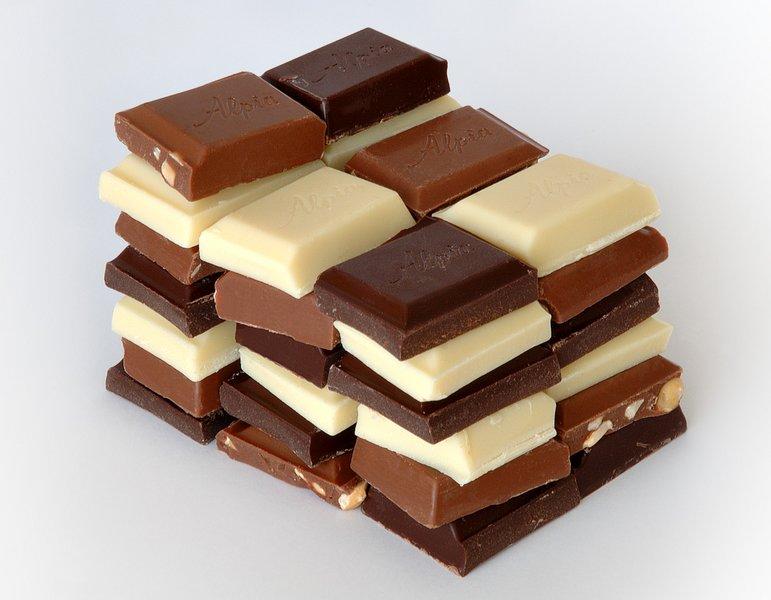
Image source: Wikipedia.

Related:

Saturday, May 8, 2010

Video: A life cycle in 90 seconds


From the British tabloid Daily Mail:

"Sometimes we forget just how short and precious our time on this planet really is. It's for this reason that John Lewis's new television ad seems to have struck an uncharacteristic chord.

You won't find many people admitting to crying over the usual flood of formulaic adverts on our screens - yet this 'moving' ad has got Britain talking - and sobbing into their breakfast bowls.

At 91 seconds long, and costing £6 million, the ad shows the the life cycle of a woman from birth to old-age - infancy, a girl's birthday party, a clumsy kiss in a university corridor, marriage, pregnancy, parenthood and the path into old age."

Friday, May 7, 2010

High-risk profession: Suicide rate of U.S. doctors is one per day

More than a quarter of primary care doctors reported being "burnt out," in part due to worsening time pressures and a chaotic work pace, which were "strongly associated with low physician satisfaction."

The United States loses the equivalent of at least one entire medical school class (approximately 400 physicians) each year to suicide.

In other words, 300-400 doctors in the United States kill themselves every year, or roughly 1 per day. Male doctors have suicide rates 1.4 times that of the general population, while female doctors have twice the rate of depression and 2.3 times the suicide rate when compared with women who are not physicians.

References:

Help for Today's Tense, Frustrated Doctors. Medscape, 2009.
http://www.medscape.com/viewarticle/710904
Doctors have higher rates of suicide than the general population: 40% higher for male doctors, 130% for female doctors http://goo.gl/ckTm
Doctors are quietly opting out of medicine http://goo.gl/emmTA
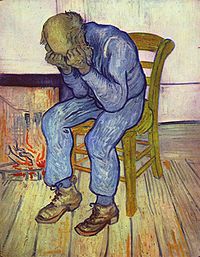
Image source: Vincent van Gogh's 1890 painting At Eternity's Gate. Wikipedia, public domain.

How to Subscribe to "What's New" Specialty Page of UpToDate? No Feed, No Problem for Google Reader

35% of UpToDate topics are updated every four months. The editors select a small number of the most important updates and share them via "What's new" page. These selections are changed with each major release of UpToDate, in March, July and November. See these updates by clicking on the specialty you are interested in.

The page does not provide RSS feed for the different specialties. One solution is to copy/paste the URL address of each subspecialty page you are interested in the Google Reader "Add a subscription" field (top left corner). Google Reader will automatically create a RSS feed from this "feedless" page.


References:
UTD Contents: What's New

Thursday, May 6, 2010

Benefits and Dangers as Doctors Start to Use Social Media

From Medscape:

"Dr. Choi has more than 3000 Facebook friends, many of whom are patients and colleagues.

But he draws the line at talking about cases with colleagues or sending diagnoses or test results to patients on networking sites. "I can't do any patient care using their messaging or using the site because it's not HIPAA-compliant," Dr. Choi says. "I'll pick up the phone to discuss a case."

Because doctors can be hesitant to share their e-mail addresses -- and regular e-mail is not secure to HIPAA standards -- it's not unheard of for people to find their doctors on Facebook. But the doctors interviewed generally say they avoid making diagnoses or communicating test results over the Internet."

References:
Doctors and Social Media: Benefits and Dangers. Medscape, 2010.
http://www.medscape.com/viewarticle/711717

Wednesday, May 5, 2010

Diet: For every 1% increase in omega-3 intake, HDL levels rise by 2.5 mg/dL

HDL levels lower than 40 mg/dL are considered a risk factor for heart disease, while levels of 60 mg/dL or higher are thought to be optimal.

Omega-3 fats, for instance, have been linked to lower risks of age-related vision loss and dementia among older adults.

Fish Oil Comes from “The Most Important Fish in the Sea”: Menhaden

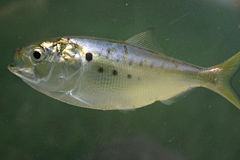
Nearly every fish a fish eater likes to eat eats menhaden (shown here). Bluefin tuna, striped bass, redfish and bluefish are just a few of the diners at the menhaden buffet. All of these fish are high in omega-3 fatty acids but are unable themselves to synthesize them. The omega-3s they have come from menhaden.

References:

Diet changes improve older adults' cholesterol too | Reuters.
http://www.reuters.com/article/idUSTRE61I49N20100219
Monounsaturated fats found in vegetable oils, nuts and avocados increase "good" HDL cholesterol levels by 12% http://goo.gl/GBQa5
How We Eat: Analyzing Half a Million Meals - 5 INFOGRAPHICS
Image source: Menhaden B. tyrannus from the Chesapeake Bay. Wikipedia, Brian.gratwicke, Creative Commons Attribution 2.5 License.

How do you keep up with health news?

Steve Rubel asks How do you keep up with industry news - RSS, email newsletters, Twitter, Facebook or other (elaborate)? He now primarily uses newsletters, Twitter and Facebook to follow several dozen sources. He uses his RSS reader as an archive:

http://www.facebook.com/steverubelstream

This does not work very well for me. Google Reader is still one of my primary sources for health information - I channel Twitter feeds, YouTube subscriptions, Flickr and podcasts through it as well.

The RSS reader collects all rich media in one place - a true "inbox for the web". The disjointed approach described by Steve Rubel above can be confusing to many and a time-waster to even more. Everybody has their own preferences, of course.

For example, Steve abandoned his popular blog MicroPersuation to move to life-stream, then Facebook. Alternatively, I decided to stay with my blogs and send their updates to Twitter and Facebook. My blog is still my home on the web. You can build a professional profile on LinkedIn, Google and (may be) on Facebook but I decided to keep a separate website just for profile information. You can build it for free on Blogger.com by Google, control every aspect of it, and the only expense is the fee for domain registration ($10).

Comments from Google Buzz:

Tim Sturgill - I've started to use GR as you are for Twitter. I wish Twitter had RSS for direct messages as well.

Vamsi Balakrishnan - I use Google Reader for my news sites (both tech and health). And, for the individual people I follow, like you, I'd use my Buzz. Every few days I log on to Twitter to check messages / replies / etc.

Lakshman Swamy - GR and buzz!